简体中文
 English
 اللغة العربية
 Español


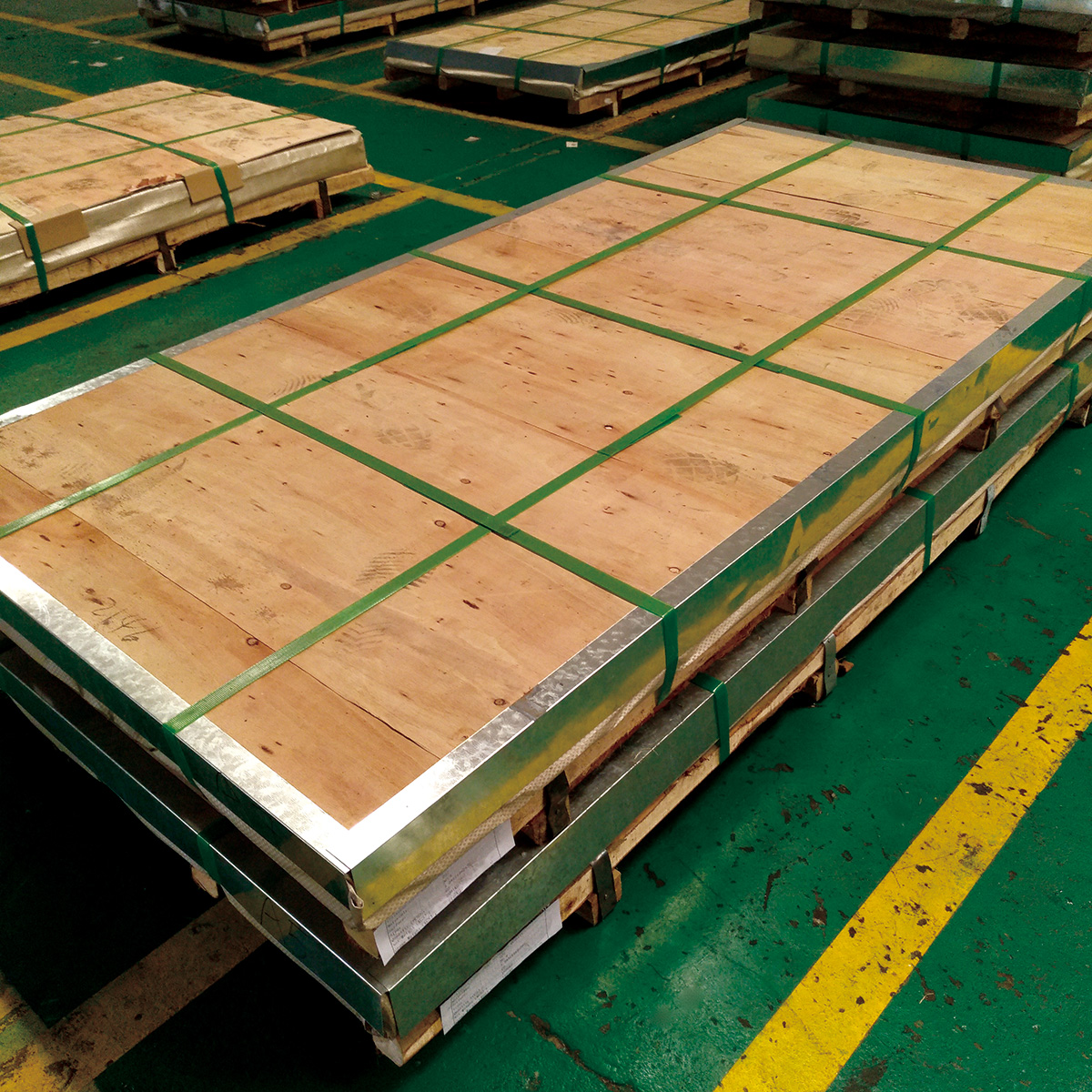
Erecting a Dedicated Dunnage System: Upon arrival, stainless steel sheet bundles must never be laid directly on bare ground, gravel, concrete slabs, or ordinary carbon steel racks. Contractors must deploy a structured foundation using treated timber blocks, wooden pallets, or dense rubber pads. The length and width of the dunnage must exceed the steel pack itself to ensure perfectly even weight distribution.
Atmospheric and Environmental Barriers: Staging yards must be situated on high, well-drained ground to avoid flash pooling. The stockpiles must be sheeted with high-strength, breathable, weather-proof tarpaulins. Avoid cheap, non-breathable plastic wraps, which trap humidity beneath the wrap, generating a destructive greenhouse micro-climate that induces pitting under heat and humidity (container rain effect).
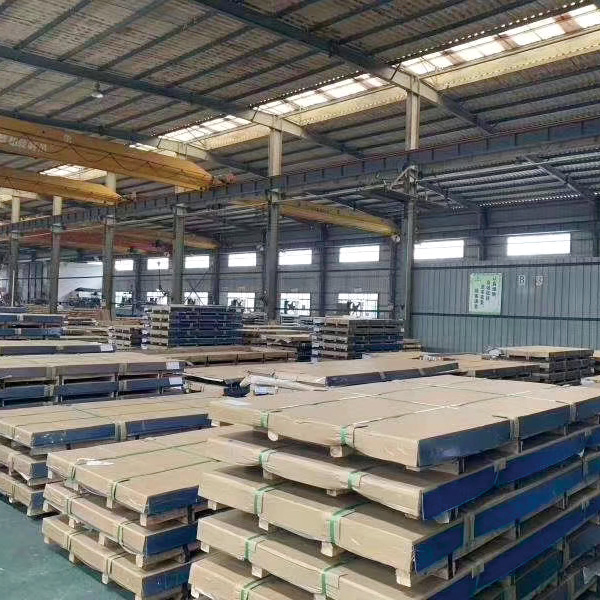
Managing Protective Film Integrity: The factory-applied PE film or specialized fiber-laser film is the primary defensive barrier for the sheet face. No personnel may strip this protective layer prematurely until the exact moment of laser profiling, shearing, or stamping. During handling, supervisors must inspect package corners for tears. Any punctured film must be resealed immediately using specialized high-adhesion tape.
Vertical Alignment in Multi-Skid Stacking: When stacking multiple bundles of stainless steel sheets to optimize space, the support timbers of the upper and lower pallets must align perfectly in the vertical direction. If dunnage blocks are placed haphazardly, the immense weight of the upper skids will exert uneven bending forces on the unsupported spans of the lower sheets. This causes permanent warping, buckling, or creasing, which can lead to tool damage during laser cutting or failure during progressive stamping.
Absolute Prohibition of Bare Wire Ropes: During flatbed offloading or internal site positioning, under no circumstances should bare steel wire ropes or raw carbon steel chains wrap around stainless steel plate bundles. Riggers must exclusively deploy wide-body, high-strength polyester webbing slings (Nylon Slings). If mechanical plate lifters or clamps are used, the clamping jaws must be retrofitted with thick rubber pads or copper sheets to prevent deep metal-on-metal pressure indentations or edge fracturing.
Flexible Modification of Forklift Tines: Forklifts handling skids on-site can easily cause catastrophic slipping or scratching if bare metallic forks strike the pallet base or plate edge. The forklift tines must be covered with custom-made structural timber shoes or heavy rubber sleeves, achieving secure force transmission while maintaining "zero-scratch" contact.
Deployment of Anti-Spatter Welding Blankets: When carbon steel electric arc welding, torch cutting, or abrasive grinding occurs adjacent to stainless steel plate stacks, the stainless stock must be completely shielded behind high-silica welding blankets. Hot carbon steel weld spatter flying onto bare stainless steel melts instantly into the matrix, causing permanent iron-contamination spots that breach the passive boundary.
Chemical Limits on Layout Markers and NDT Media: Welders executing layout marking, cut-sheet labeling, or non-destructive tes
 ting (such as Dye Penetrant Testing) must never use commercial markers or chalks containing chlorides (Cl⁻) or sulfur compounds. Halogens are the primary drivers of Stress Corrosion Cracking (SCC) in austenitic grades. Field teams must exclusively use certified "low-chlorine, sulfur-free" industrial-grade markers.
-
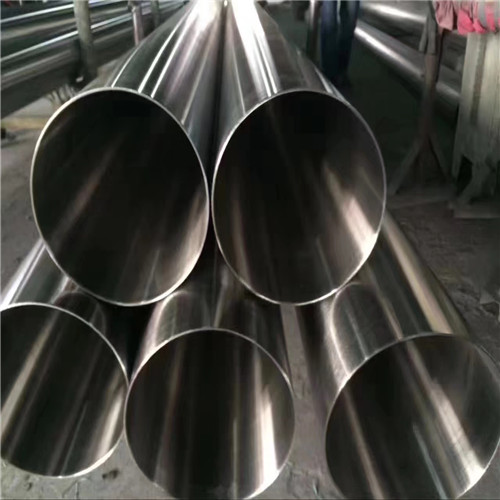
[Company news] High quality supply of stainless steel pipe for ho......
2022-04-10
After years of development and innovation, the stainless steel pipe for household decoration has evolved from a single "slot body" to a "system" produ......
-

[Company news] Warmly celebrate the official launch of the fsunsc......
2005-07-19
Foshan Sunsco Technology Co.Ltd is located in Foshan City of China, focusing on stainless steel area for more than 12 years. With the support of the m......
-
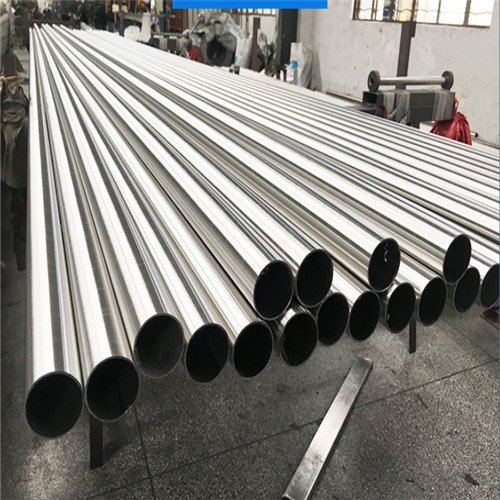
[Industry dynamics] 304 stainless steel pipe market improves
2021-12-20
FSUNSCO Company operates a series of 304 stainless steel tubes all the year round. Stainless steel pipe, 304 stainless steel plate, 304 stainless stee......
-
[Industry dynamics] What can help us to quickly distinguish between 30......
2020-06-20
Many friends will worry when choosing stainless steel, this is because he can not distinguish between 304 and 201 stainless steel, how to quickly dist......