简体中文
 English
 اللغة العربية
 Español


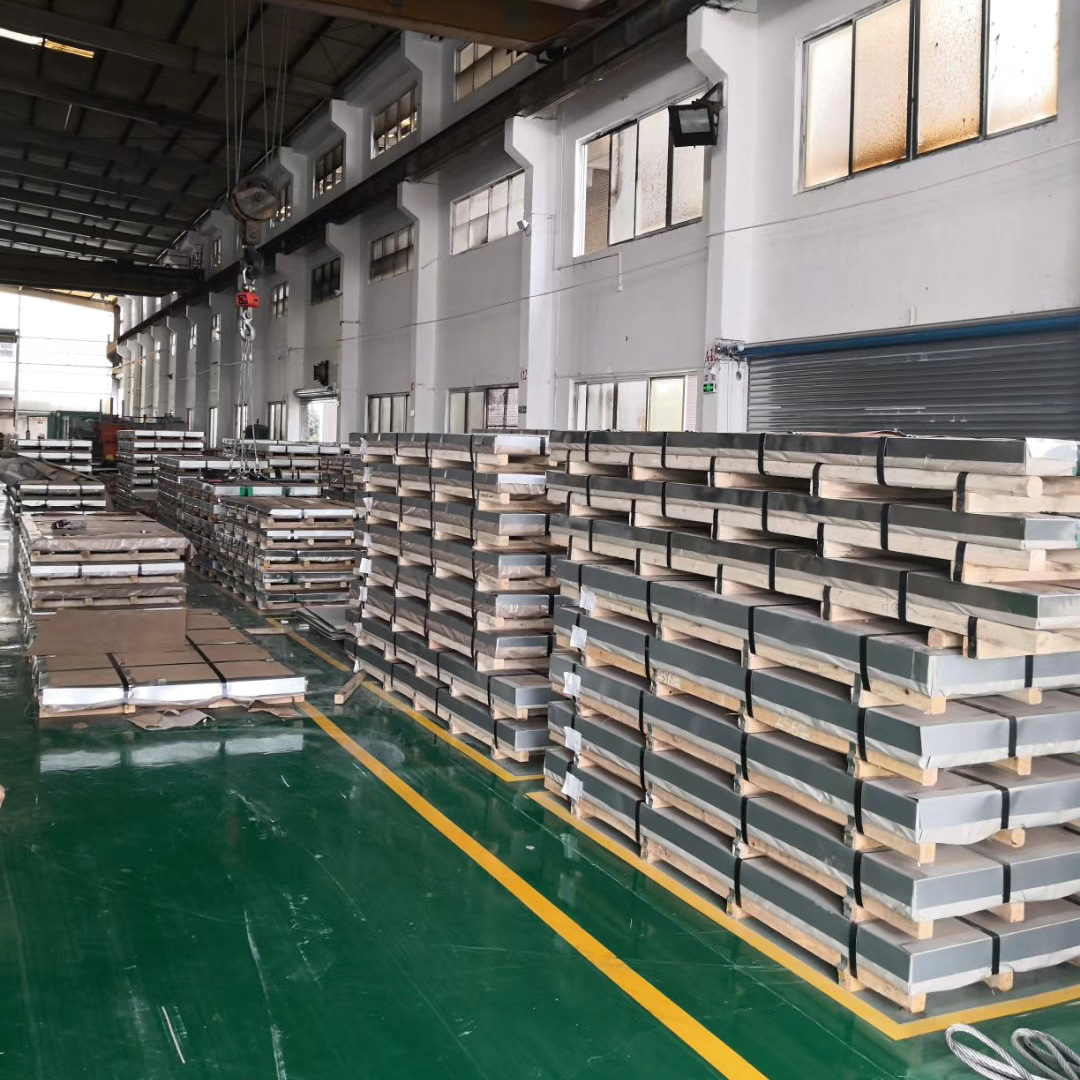 1. Upstream Value Engineering: Shifting from Generic Selection to Condition-Specific Specification
Precise Alloy Matching vs. Over-Specification: In environments with moderate operating pressures or neutral pH levels, blindly specifying ultra-low carbon austenitic grades like 316L or high-end duplex plates (e.g., S32205) creates unnecessary capital drag. Utilizing stabilized ferritic alloys (such as Grades 443 or 444) to substitute for 304, or specifying Lean Duplex sheets in place of 316L under moderate chloride exposures, can slash raw material acquisition expenses by 20% to 35% while preserving strict factor-of-safety margins.
Integrating the OPEX Lifecycle Ledger: According to LCC principles, complex or severe corrosion environments demand high-performance sheet metals—such as those featuring premium bright-annealed (BA), electropolished (EP), or advanced passivated finishes. While these materials command a higher initial procurement price, their superior pitting resistance and anti-fouling characteristics compress long-term operating expenses (OPEX) by minimizing unplanned downtime, component swapouts, and labor-intensive cleaning cycles, delivering the lowest total cost over the system lifecycle.
Deploying Topology-Driven Nesting Software: Manual or low-tier nesting schedules typically achieve a structural sheet utilization rate of only 80% to 85%. By integrating sophisticated CAD/CAM 3D nesting software, algorithmic engines calculate complex geometric interlocking, common-line cutting, and micro-joint nesting across disparate part layouts. This pushes the material utilization index above 93%, reclaiming tons of premium raw metal for every 100 tons processed.
Transitioning to JIT Custom-Length Blanking: Procurement teams can break free from the constraints of standard mill sizes (e.g., 4x8 ft sheets) by establishing digital data interchange (EDI) systems with high-volume processing centers or upstream mills. Sourcing custom-slit, exact-length decoiled sheets configured precisely to the flattened product geometry keeps edge and end scrap at the upstream facility. This yields a "zero-scrap footprint" on the shop floor while completely eliminating the secondary handling, sorting, and storage overhead of internal off-cuts.
Strategic Forward Pricing Mechanisms: For multi-year capital infrastructure projects or recurring industrial production lines, procurement teams must abandon transactional cash-and-carry buying models. By signing strategic framework agreements incorporating forward price-locking or tolling options with core mills or Tier-1 distributors, enterprises can pre-lock steel base conversion rates when nickel valuations are historically depressed, completely insulating manufacturing costs from macroeconomic financial volatility.
Consolidated Group Procurement and VMI Hubs: Centralizing the sheet-metal demand forecasting across multiple corporate subsidiaries or separate engineering projects aggregates massive buying power, enhancing volume-based negotiating leverage. Coupling this with a Vendor-Managed Inventory (VMI) structure—where suppliers establish a dedicated stock buffer near the production facility—allows companies to implement pay-as-you-use billing, significantly accelerating working capital turnover.

Cold Mechanical Shearing and Automated Welding Controls: High strain-hardening tendencies cause premature stamping-die and press-brake tool wear. Enforcing all-cold mechanical processing SOPs and utilizing high-viscosity lubricants fortified with extreme-pressure (EP) additives can extend tooling operational life by up to 3x. Furthermore, incorporating CNC automated orbital or linear welding compresses weld-defect rates (like lack of fusion or micro-porosity) to under 1%, bypassing the high labor and material expenses associated with NDT reinspections and grinding reworks.
-
[Company news] High quality supply of stainless steel pipe for ho......
2022-04-10
After years of development and innovation, the stainless steel pipe for household decoration has evolved from a single "slot body" to a "system" produ......
-

[Company news] Warmly celebrate the official launch of the fsunsc......
2005-07-19
Foshan Sunsco Technology Co.Ltd is located in Foshan City of China, focusing on stainless steel area for more than 12 years. With the support of the m......
-
[Industry dynamics] 304 stainless steel pipe market improves
2021-12-20
FSUNSCO Company operates a series of 304 stainless steel tubes all the year round. Stainless steel pipe, 304 stainless steel plate, 304 stainless stee......
-
[Industry dynamics] What can help us to quickly distinguish between 30......
2020-06-20
Many friends will worry when choosing stainless steel, this is because he can not distinguish between 304 and 201 stainless steel, how to quickly dist......