简体中文
 English
 اللغة العربية
 Español



The Polymer Chain Scission Mechanism: Under continuous solar UV exposure, plastic pipelines—including PPR, PE, and PVC networks—undergo photo-oxidative degradation. The high-energy photons cleave the organic molecular chains and volatize internal plasticizers, causing surface discoloration, chalking, micro-fissuring, and embrittlement. This reaction degrades the pressure-bearing capacity of the line over time and introduces the risk of microplastic leaching into the fluid stream.
The Inorganic Metallic Crystal Lattice Edge: Stainless steel alloys (such as Austenitic Grades 304 and 316L) are bound together by an inorganic iron-chromium-nickel metallic bond crystalline matrix. The kinetic energy of solar UV photons cannot disrupt or destabilize these tight metallic bonds. Over decades of relentless outdoor exposure, the mechanical properties and microstructural alignment of stainless steel experience zero degradation, eliminating the structural risk of material aging.
The Structural Gap in Expansion Coefficients: Thermoplastic piping exhibits exceptionally high coefficients of linear thermal expansion (typically 5 to 8 times greater than stainless steel). In long-run outdoor installations, intense summer heat causes plastic lines to expand dramatically, leading to heavy "snaking," sagging, and deflection. This distortion degrades system aesthetics and accumulates intense concentrated stress at joints and structural anchors, inviting mechanical fatigue failure.
Rigid Axial Stability: Stainless steel pipes exhibit an exceptionally low coefficient of linear thermal expansion (approximately 16–18 × 10⁻⁶/°C). Under identical exposure conditions, the axial displacement of a stainless steel line is minimal, allowing the pipeline assembly to maintain its rigid, straight geometry. This simplifies the spatial design of expansion joints, loop compensators, and sliding guide brackets, driving down initial project capital expenditures (CAPEX) and long-term leak management liabilities.
Creep Deflection and Tensile Strength Retrogression: The mechanical integrity of polymer pipelines (such as PE-RT and PPR) is highly temperature-sensitive. When internal pipe wall temperatures cross 40°C, their hydrostatic design pressure values drop sharply. Under sustained internal working pressure, the polymer matrix undergoes continuous microscopic plastic deformation—known as creep—which can lead to wall thinning and catastrophic bursting.
Austenitic High-Temperature Yield Strengths: Stainless steel pipes maintain their high tensile and yield strengths across temperatures ranging from sub-zero to 80°C and beyond, exhibiting supreme creep resistance. Regardless of peak external solar heat loading, the steel matrix locks in its nominal working pressure ratings, safeguarding the system's operational factor of safety.
The Dynamic Equilibrium of Cr₂O₃: Stainless steel’s defense against corrosion is driven by a dense, self-healing, chromium-rich passive film only a few nanometers thick on the substrate surface. At room temperature and dry conditions, this ultra-thin oxide barrier layer exists in a stable, quiet state.
Thermal Activation of Passive Stabilization: When solar radiation heats the pipe wall, the elevated temperature provides a higher thermodynamic activation energy to the Chromium (Cr) atoms within the alloy lattice, accelerating their diffusion rate toward the surface in the presence of atmospheric oxygen. Consequently, if the pipe face sustains micro-abrasions or scratches during handling, the high-temperature outdoor exposure accelerates the reconstruction and self-healing kinetics of the ultra-thin passivation layer, rendering the anti-corrosion barrier more resilient.
-
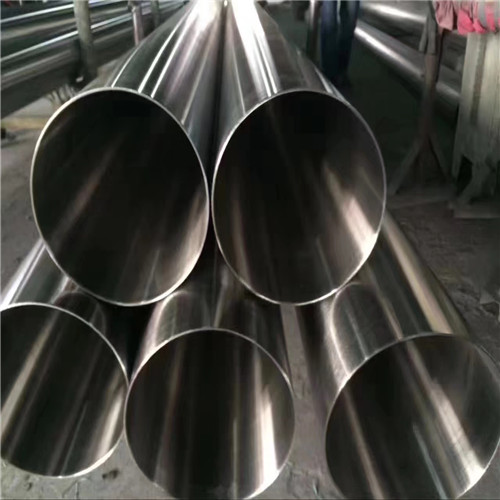
[Company news] High quality supply of stainless steel pipe for ho......
2022-04-10
After years of development and innovation, the stainless steel pipe for household decoration has evolved from a single "slot body" to a "system" produ......
-

[Company news] Warmly celebrate the official launch of the fsunsc......
2005-07-19
Foshan Sunsco Technology Co.Ltd is located in Foshan City of China, focusing on stainless steel area for more than 12 years. With the support of the m......
-
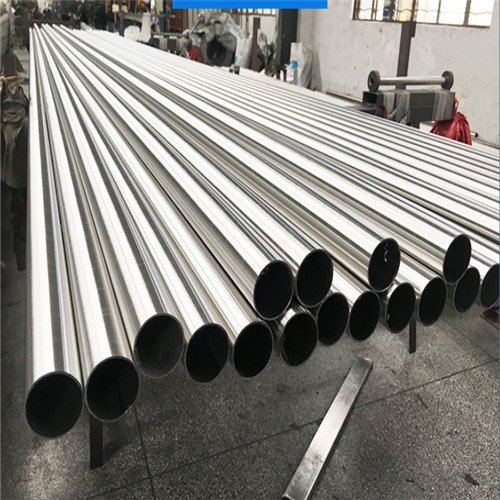
[Industry dynamics] 304 stainless steel pipe market improves
2021-12-20
FSUNSCO Company operates a series of 304 stainless steel tubes all the year round. Stainless steel pipe, 304 stainless steel plate, 304 stainless stee......
-
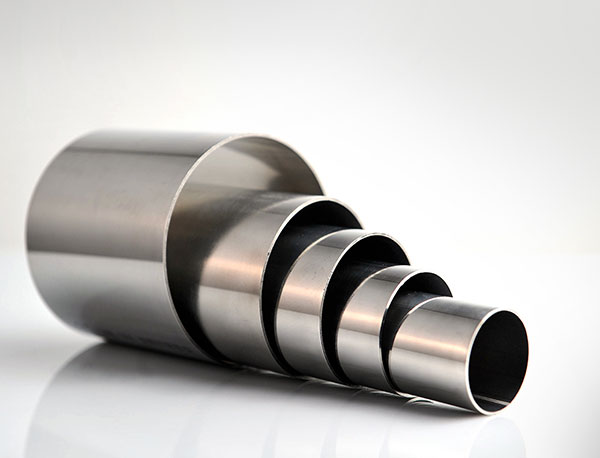
[Industry dynamics] What can help us to quickly distinguish between 30......
2020-06-20
Many friends will worry when choosing stainless steel, this is because he can not distinguish between 304 and 201 stainless steel, how to quickly dist......