简体中文
 English
 اللغة العربية
 Español


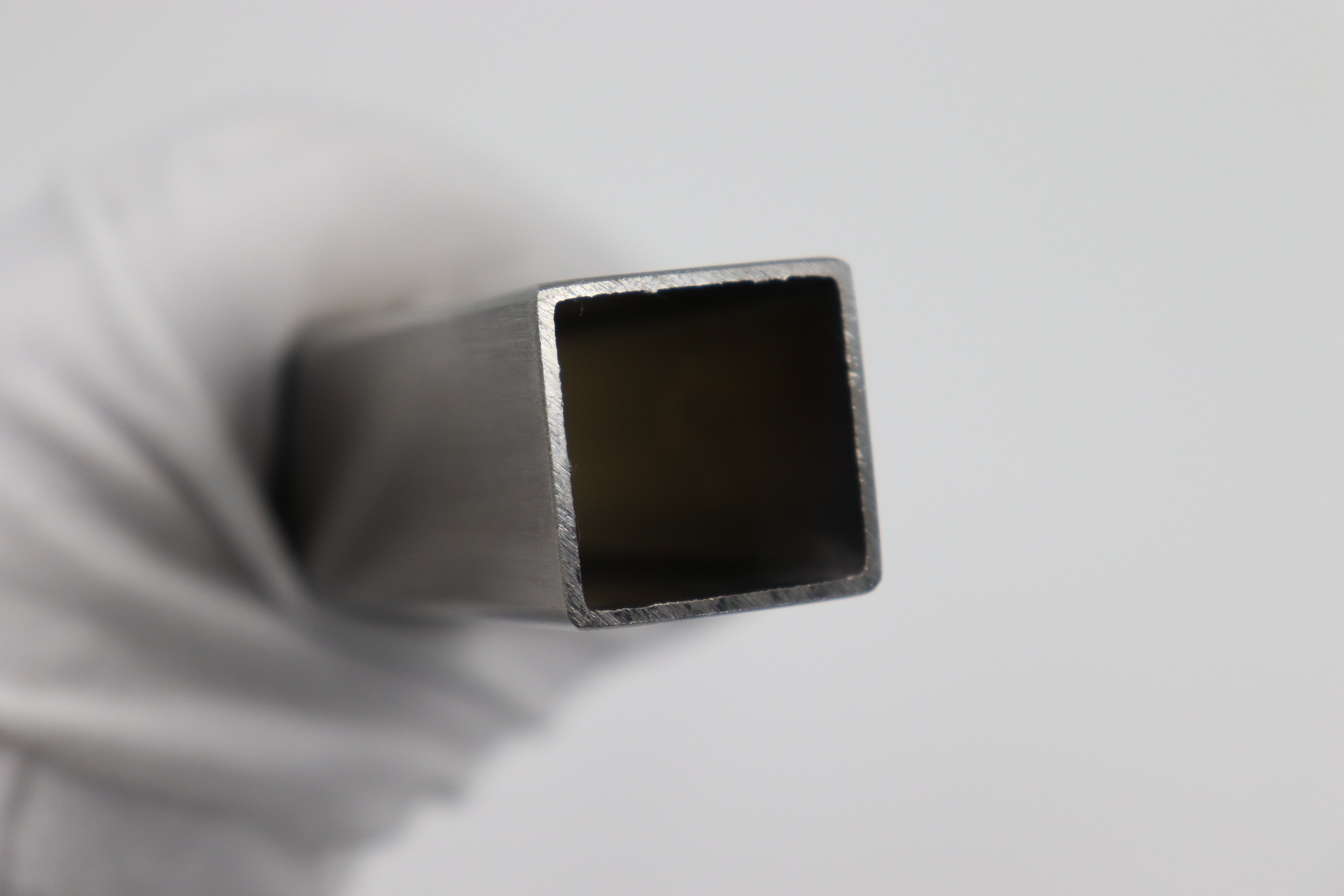
What the Standards Say: Under standard specifications like ASTM A312 (for seamless and welded austenitic stainless steel pipes) or ASTM A554 (for mechanical tubing), the allowable wall thickness tolerance typically ranges from ±10% to ±12.5%, depending on the manufacturing process and diameter.
The Manufacturing Reality: If a standard permits a 2.0mm nominal pipe to fluctuate between 1.80mm and 2.20mm, a rational manufacturer will never intentionally produce on the "plus tolerance" side (e.g., 2.15mm). Doing so means giving away up to 10% more expensive nickel and chromium alloys for free. Therefore, targeting the lower end of the allowable minus tolerance is a universal cost-optimization practice across global steel mills.

Forming Elongation: As flat steel strips pass through progressive forming rollers to become round pipes, the metal undergoes bending and sizing tension, causing micro-level axial stretching and wall thinning.
Polishing Material Removal: Architectural, decorative, and sanitary tubes undergo multi-stage abrasive belt polishing or mechanical buffing to achieve brushed (satin) or bright annealed (BA) finishes. This process physically grinds away 0.02mm to 0.05mm of surface metal, further reducing the final measured wall thickness.
| Pricing Model | Core Logic | Impact on Actual Wall Thickness | Typical Applications |
|---|---|---|---|
| By Actual Weight (Per Ton / Kg) | Buyers pay strictly for the exact net metal weight scaled before shipping. | Closer to nominal thickness. Mills have no financial incentive to roll ultra-thin walls; tolerances stay near the standard median. | Industrial fluid piping, heavy-wall schedules (Sch 40/80), EPC projects |
| By Length / Piece (Per Meter / Foot) | Priced per unit length based on theoretical weight formulas. Thinner walls yield more meters per ton of raw coil. | Pushes the minus-tolerance limit. Aggressive low-cost suppliers may even order custom "non-standard thin coils" (e.g., 1.70mm sold as 2.0mm). | Decorative railings, furniture tubing, hardware fabrication, retail distribution |
Procurement Warning: In markets where tubing is sold by the piece or meter, some distributors specifically order "heavy minus-tolerance" coils from mills to win price wars. This explains why two quotes for "2.0mm 304 stainless steel pipe" can differ by hundreds of dollars per ton.
Specify "Minimum Wall Thickness" in Purchase Orders: Avoid writing just "2.0mm wall thickness" on contracts. Instead, state: "Nominal wall thickness 2.0mm per ASTM A554 (±10% tolerance); actual measured wall thickness must not be less than 1.80mm at any point."
Opt for Actual-Weight Billing on Bulk Orders: For large industrial or structural orders, negotiating pricing per kilogram or metric ton based on certified scale tickets removes the supplier's incentive to under-roll the material.
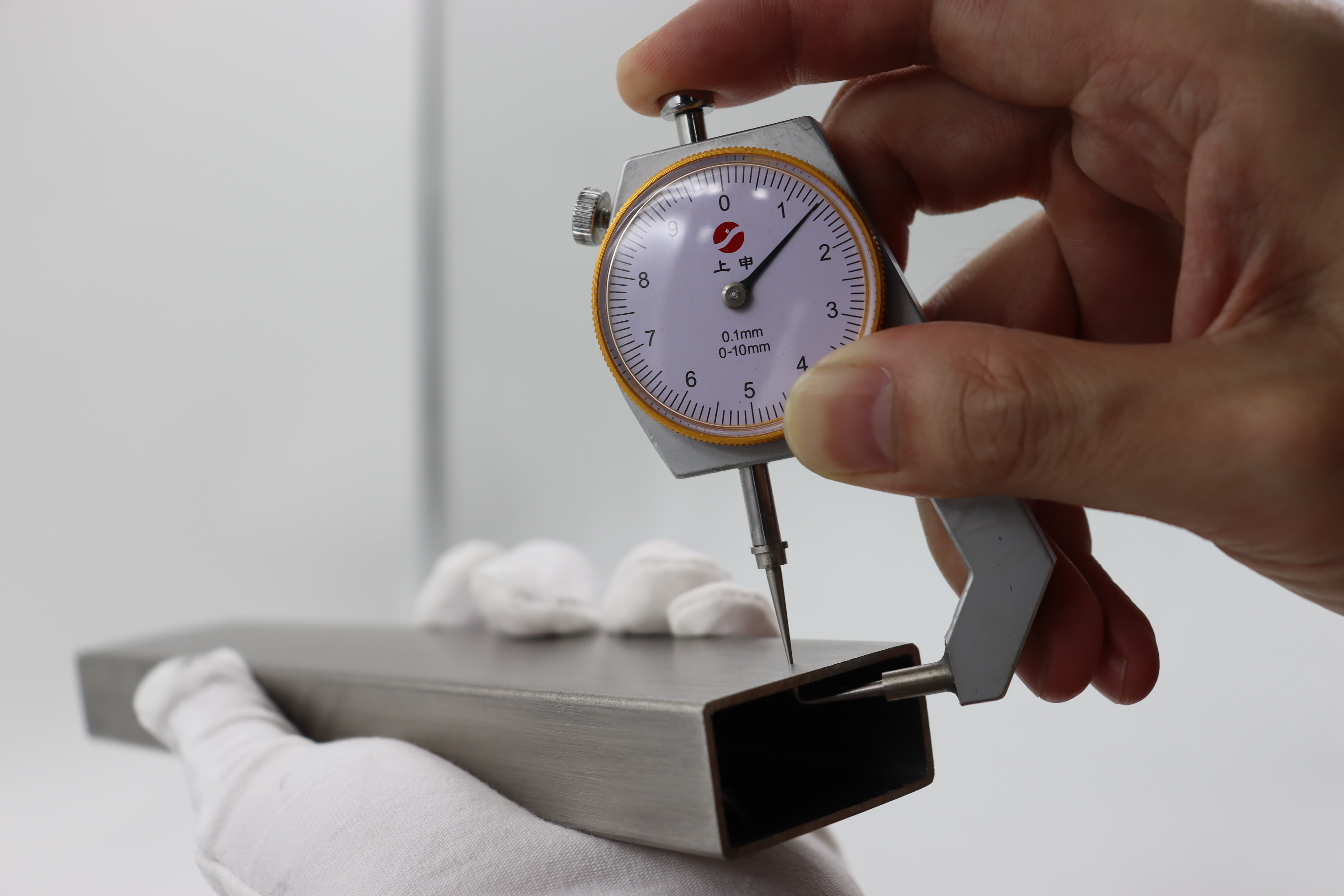
Use Proper Inspection Tools: Always inspect incoming pipes with a ball-anvil micrometer (accurate to 0.01mm). Standard flat-jaw vernier calipers cannot sit flush against the curved inner wall of a round pipe, resulting in falsely inflated thickness readings. Always take multiple measurements away from the weld seam.
-
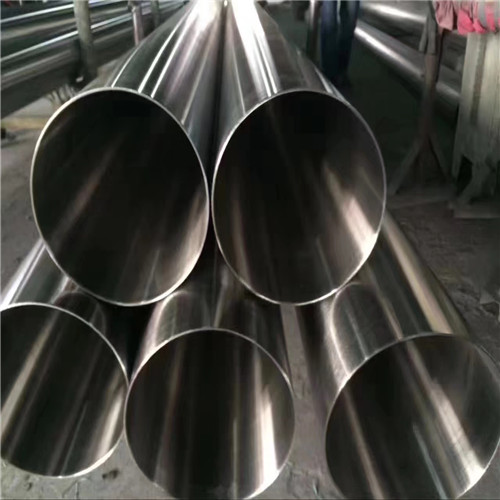
[Company news] High quality supply of stainless steel pipe for ho......
2022-04-10
After years of development and innovation, the stainless steel pipe for household decoration has evolved from a single "slot body" to a "system" produ......
-

[Company news] Warmly celebrate the official launch of the fsunsc......
2005-07-19
Foshan Sunsco Technology Co.Ltd is located in Foshan City of China, focusing on stainless steel area for more than 12 years. With the support of the m......
-
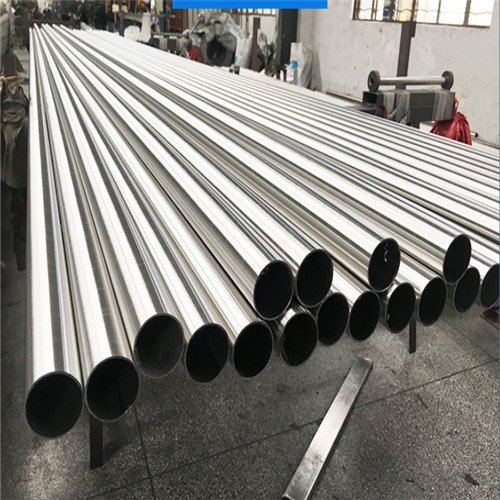
[Industry dynamics] 304 stainless steel pipe market improves
2021-12-20
FSUNSCO Company operates a series of 304 stainless steel tubes all the year round. Stainless steel pipe, 304 stainless steel plate, 304 stainless stee......
-
[Industry dynamics] What can help us to quickly distinguish between 30......
2020-06-20
Many friends will worry when choosing stainless steel, this is because he can not distinguish between 304 and 201 stainless steel, how to quickly dist......